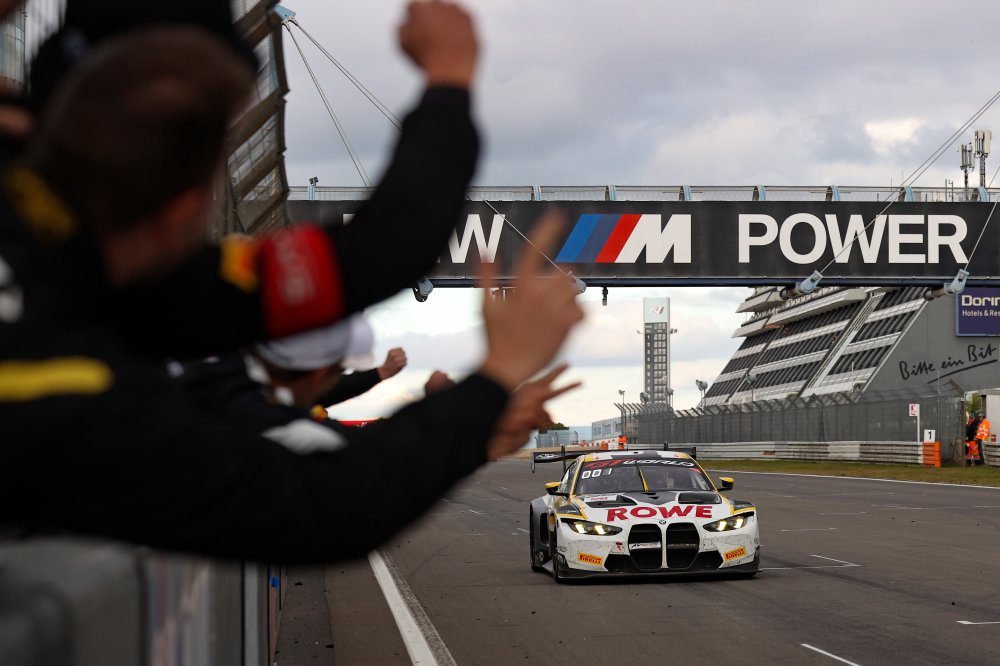
Why GT3 cars have become the heart of modern motorsport
GT3 cars are, in modern motorsport, the true beating heart of closed-wheel racing. A role GT cars have earned over time, almost quietly, while for years the dominant narrative revolved around a single idea: Formula 1 as the absolute technical and media pinnacle of racing.
Yet today something different is happening. GT racing is discussed more than ever, more championships are built around these cars, and more manufacturers are choosing GT3 as their primary competitive platform. This is no coincidence, and it is certainly not a passing trend.
The question, then, is a simple one: why do GT3 cars matter more today than they did in the past? And above all, why are they destined to play an even more central role in the future of motorsport?
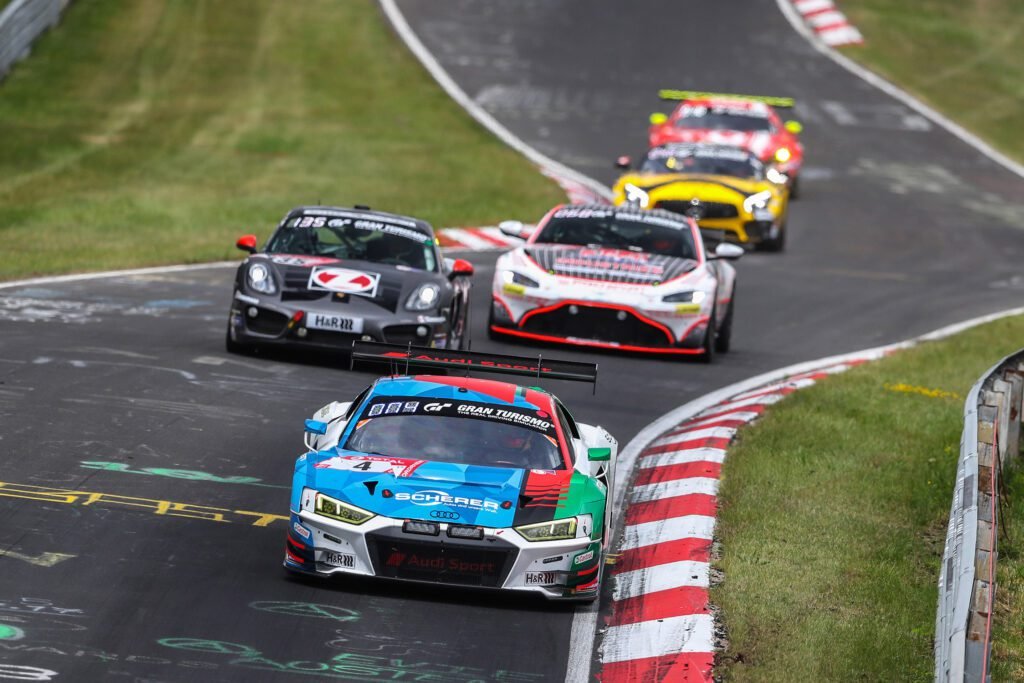
GT3 Regulations designed to last, not to impress
One of the greatest strengths of GT3 lies precisely in what is often criticised. These cars were never meant to represent the absolute cutting edge of technology, but to work reliably over time.
Regulations were conceived to be stable, adaptable and globally replicable. No extreme solutions, no constant revolutions forcing teams and manufacturers to start from scratch every few years. The result is a technical ecosystem that allows very different cars to race together without losing their identity.
It is a philosophy that runs counter to many top-tier categories. And precisely for this reason it has proven extraordinarily effective.
Balance of Performance: limitation or foundation?
Balance of Performance is undoubtedly the most divisive topic in racing. For some it is an artificial constraint, for others an absolute necessity. As is often the case, the truth lies somewhere in between.
Without BoP, the GT world simply would not exist in its current form. It does not aim to make all cars identical, but to make competition possible. This allows manufacturers with very different design philosophies to compete on equal terms.
It is not a perfect system, but it is the tool that has turned GT3 into a credible, global and sustainable racing platform.
The pull of big names
In recent years, the growing popularity of GT racing has also been driven from the top. By figures who have little to gain in terms of visibility outside their own established world.
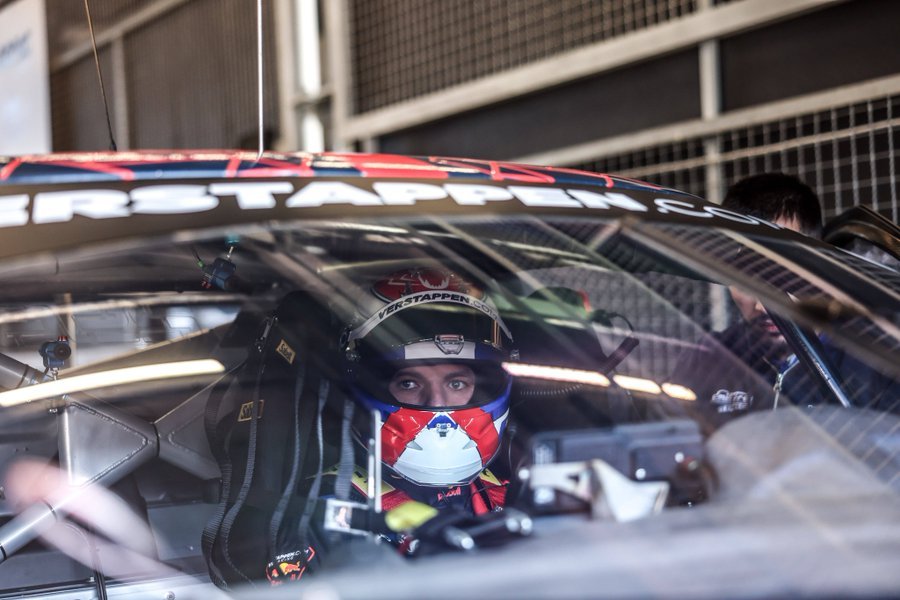
The most emblematic case is Max Verstappen. A four-time Formula 1 World Champion, he chose to found his own team and obtain an extra-F1 licence to compete in endurance racing. A decision that speaks louder than any marketing campaign.
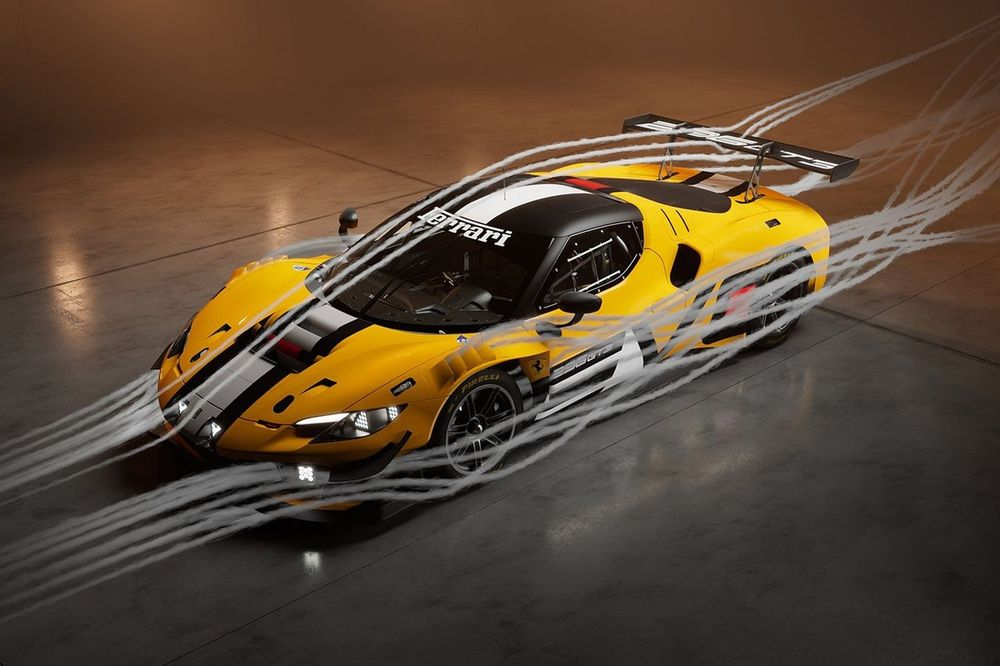
His appearance at the Nürburgring with a Ferrari 296 GT3 attracted around 50,000 spectators from across Europe, Numbers far beyond the usual scale of championships that typically operate on a smaller stage. When Formula 1 fans come into contact with the categories orbiting around it, the benefits are mutual: GT racing gains exposure, while audiences discover a more accessible and understandable form of motorsport.
Why manufacturers are investing in GT3
GT3 represents one of the rare cases in which motorsport truly returns to being a showcase.
These cars are instantly recognisable, closely linked to road-going models, valuable from a branding perspective and, above all, sustainable. With a single project, a manufacturer can compete in dozens of championships around the world, spreading costs while maximising visibility. In an era where every investment is scrutinised in detail, this factor is decisive.
It must be said clearly, without hypocrisy: GT3 cars are not cheap. They are more accessible than top level open wheel racing, but they remain true racing machines with significant costs.
A modern car typically costs around 600,000 euros to purchase. Added to this are the expenses of running a full season, including spare parts, personnel, logistics, entry fees and testing. This can easily bring the total budget to around 1.5 million euros.
This is therefore not grassroots motorsport in the strict sense, but rather a realistic compromise between performance, professionalism and sustainability
In this article, we also analyzed the key technical differences between GT3 cars and their smaller siblings, the GT4s. Click here for the full article.
Why teams and drivers are drawn to GT3 racing
Covered wheel racing has brought back into the spotlight a figure that for years had been pushed to the margins: private teams
With high but not prohibitive costs, an independent team can be competitive, grow, and win. For drivers, the GT world represents a complete developmental environment, where talent, experience, and race management skills truly make the difference.
It is no coincidence that many top-level professionals have built a crucial part of their careers in this environment.
Where passion meets technology
GT cars arguably represent the most successful balance between passion and technology in modern motorsport.
For fans, seeing them up close means truly understanding what happens on track: setups, driving techniques, materials, and engineering solutions that are later pushed to extremes in higher categories. For drivers, racing is an essential training ground, where they learn to manage complex cars, strategies, and challenging race scenarios.
Understanding a car means experiencing first-hand an incredibly refined racing product — a pure competition tool that remains readable and relatable. This aspect is often underestimated: approaching motorsport from the ground up, but on a solid technical foundation, is perhaps the healthiest way to truly grasp its essence.
Not a trend, but a necessity
The success of GT3 is not the result of chance. It is a concrete response to a motorsport world in search of balance.
Less extremisation, more competition, exclusivity, more accessibility. Less distance, more involvement.
If GT3 cars are now the heart of closed-wheel racing, it is because they have achieved something extremely rare: bringing manufacturers, teams, drivers, and fans onto the same page. And in modern motorsport, there is no more important result than that.







Post Comment