What are the costs and revenues of hosting a F1 Grand Prix?
The recent F1 Las Vegas GP featured an event organization designed to amaze and make everything grand and unforgettable. Extra costs race shows, light displays, fireworks, and numerous VIPs created the backdrop for what can easily be considered one of the most successful American events of the year in terms of revenue. You could almost say that Max Verstappen’s victory and McLaren’s double post-race elimination went unnoticed.
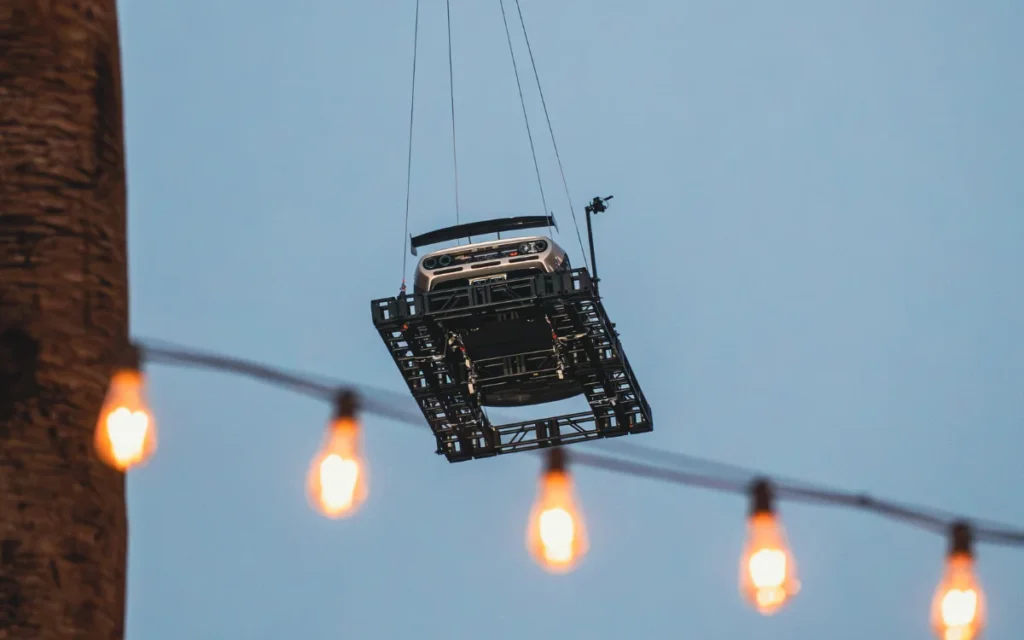
Moreover, during the weekend, another incredible event took place. An auction of a Gordon Murray S1 LM that broke all records. You can find the full story here.
But precisely because this is a unique event, we asked ourselves a question: how much revenue does a Grand Prix like this generate for the city in terms of mass tourism over a single weekend? Obviously, the extremely expensive tickets to watch the race are only a small part of the overall revenue. So, we decided to dig deeper into the matter, putting together a general analysis, and the results were extremely interesting.
List of costs to organize an F1 Grand Prix (Las Vegas)
Formula 1 is not only adrenaline and engines but also staggering numbers behind the scenes. Hosting a Grand Prix means incurring enormous expenses while simultaneously generating impressive revenue for the city and the circuit itself.
The F1 Las Vegas Grand Prix, like all modern street circuit events, involves very high costs. The hosting fees paid to Formula 1 Management alone amount to around 50/55 million dollars. A figure that guarantees the circuit the privilege of hosting one of the most-watched events in the world.
On top of this, the costs related to infrastructure and logistics, temporary grandstands, paddocks, security, media facilities, and hospitality, can exceed 20 million dollars.
Not to mention the personnel needed to manage the track. In addition maintenance, event organization, and all necessary insurance, which easily brings the total direct costs of hosting the GP above 70 million dollars. Not counting any long-term investments to improve the city’s infrastructure.
List of city revenues, tourism, and weekend spending
On the other hand, there are the revenues generated by visitors. The event attracted about 306,000 total spectators, of whom approximately 170,000 came from outside the city. Tickets sold for the weekend, with an average price of about 1,700 dollars (and yes, you read that right, seventeen hundred dollars), generated nearly 500 million.
But that’s not all: visitors spent on average around 2,140 dollars for hotel stays, food, transport, and entertainment activities. This adds another 420 million dollars in revenues for the city. In total, visitors generated roughly 8/900 million dollars just from direct spending, not counting media exposure and the related commercial impact.
Comparing the figures, it becomes immediately clear that even just the direct revenue from F1 ticket sales is enough to more than cover the costs of the Grand Prix. But the overall effect on the local economy is even more impressive. Transforming the GP into a true tourism and promotional engine for Las Vegas.







Post Comment