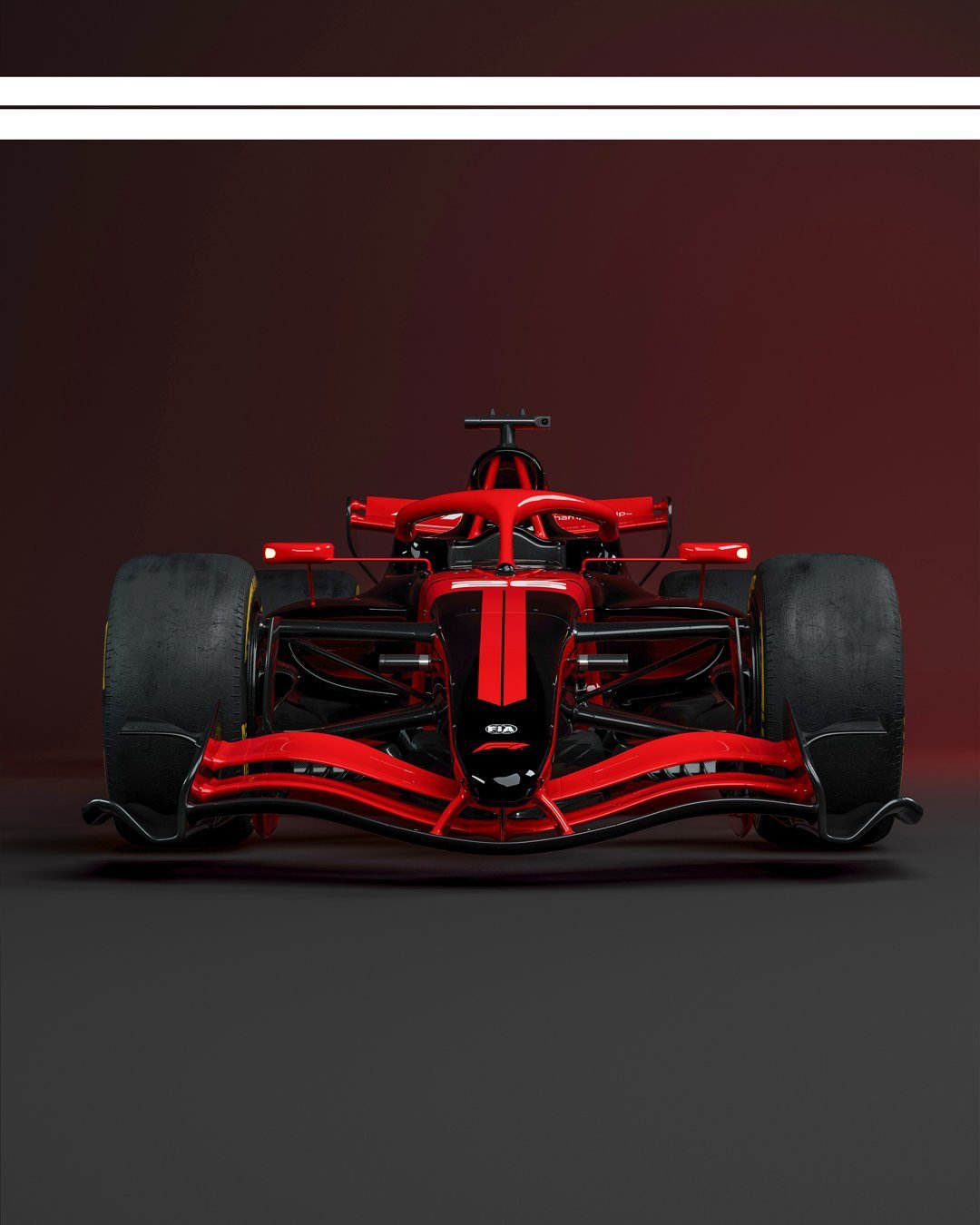
F1 2026: how the new active aerodynamics will work on cars
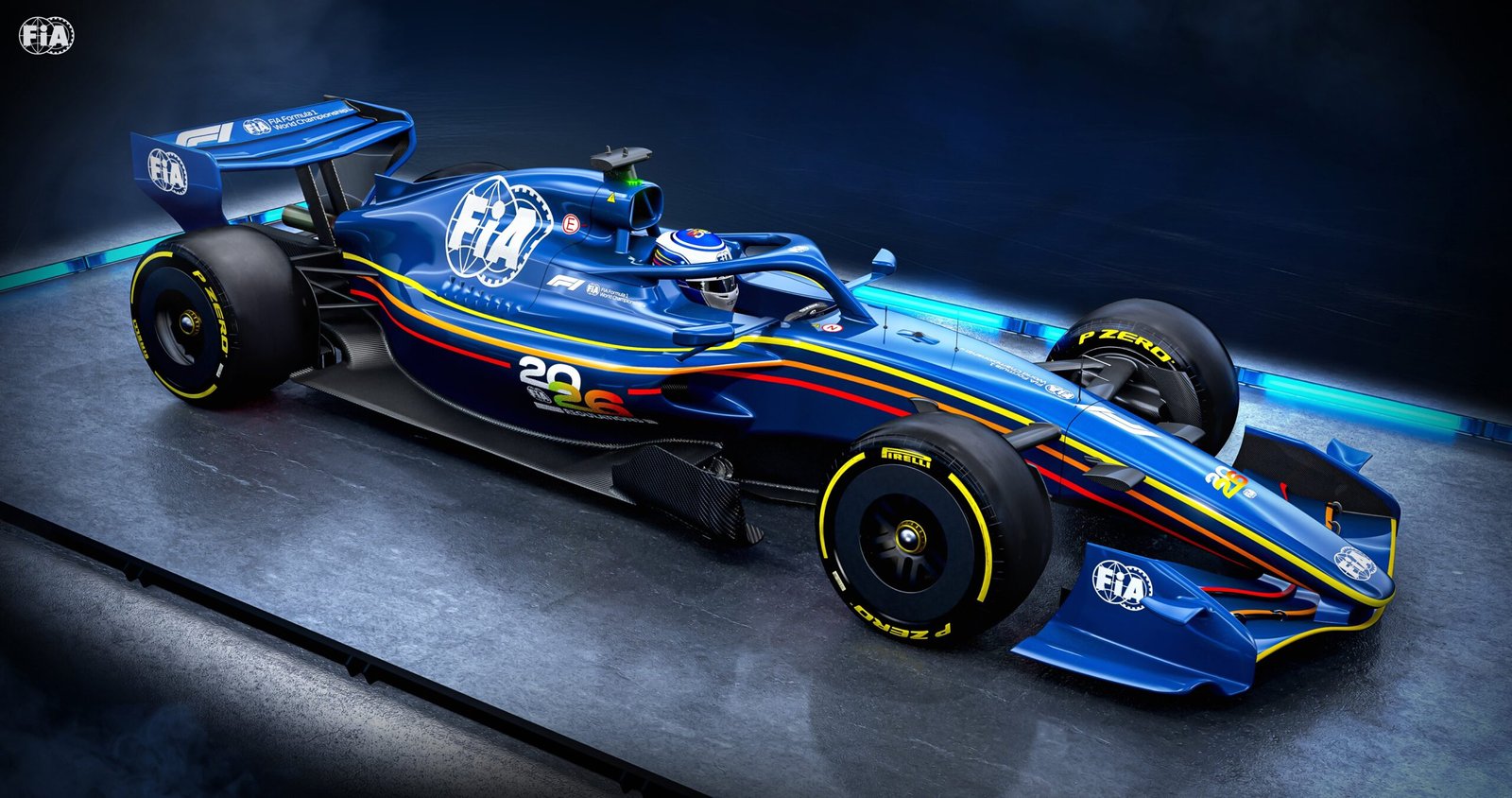
We are moving ever closer to what will be the most epoch-making regulation change in F1 history. A 2026 revolution strongly pushed by the FIA, set to introduce a huge number of technical innovations. But above all one that is already sparking debate: active aerodynamics in F1.
We recently covered all the differences between the 2025 and 2026 cars in a wider and more in-depth analysis. If you’d like to read it, you can find it all here.
For the first time ever, Formula 1 cars will be able to change their aerodynamic configuration while on track, adapting to different phases of the lap in order to achieve maximum efficiency. In simple terms: less drag on the straights, more downforce in the corners. It sounds futuristic, but it’s very real.
Curiosity, understandably, is high. That’s why we decided to dig deeper and understand how this system will actually work, what has already been shown, and why this idea is anything but new.
In fact, we had already seen the first hints. During the post-season tests in Abu Dhabi, some teams fitted hydraulic pipes on the front nose, used to simulate the movement of aerodynamic elements. Specifically the front wing flaps. These were not final solutions, but rolling test benches.
A clear signal: work on active aerodynamics has been underway for quite some time, quietly and away from the spotlight. And now it is about to become reality.
The reasons behind the introduction of this new F1 technology
The idea, first of all, does not come out of nowhere. It is the result of long and careful work carried out at the table by the FIA together with the teams that will take part in the championship. A technical compromise designed to balance performance, racing spectacle and efficiency.
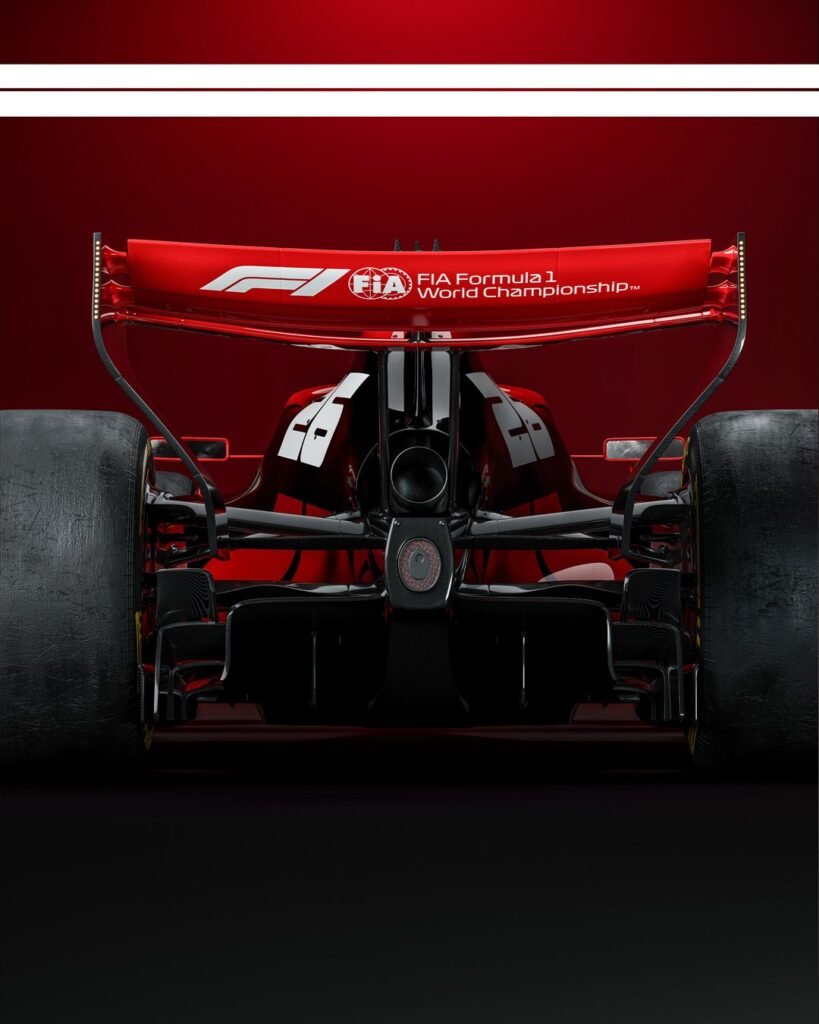
And no, this is not just a “mega DRS” designed to work only on the straights to reduce drag and boost top speed. The new active aerodynamics system is far more complex and, above all, serves a precise purpose: improving the energy efficiency of the new-generation power units, which are increasingly focused on sustainability.
The 2026 concept is brutally simple: less drag means less wasted energy. And less waste means more energy available, to be managed and exploited over a lap and throughout a race.
Compared to the traditional DRS, this represents a clear step forward. The system will in fact be “dual”, with aerodynamic elements capable of both increasing and reducing downforce depending on the situation. Not just wings that open, but surfaces that work dynamically to find the best possible compromise between efficiency and performance.
Aerodynamic modes: how they really work in race conditions
The core of 2026 active aerodynamics lies in the different operating modes available during the lap. The FIA has defined two main configurations, designed to work in a coordinated way between the front and rear wings.
The first is the so-called X-mode, the low-drag configuration. In this mode, the aerodynamic surfaces are “unloaded”, reducing resistance to maximize top speed and, above all, limit energy consumption on the straights. This is the mode cars will use during full-throttle phases and in the fastest sections of the circuit.
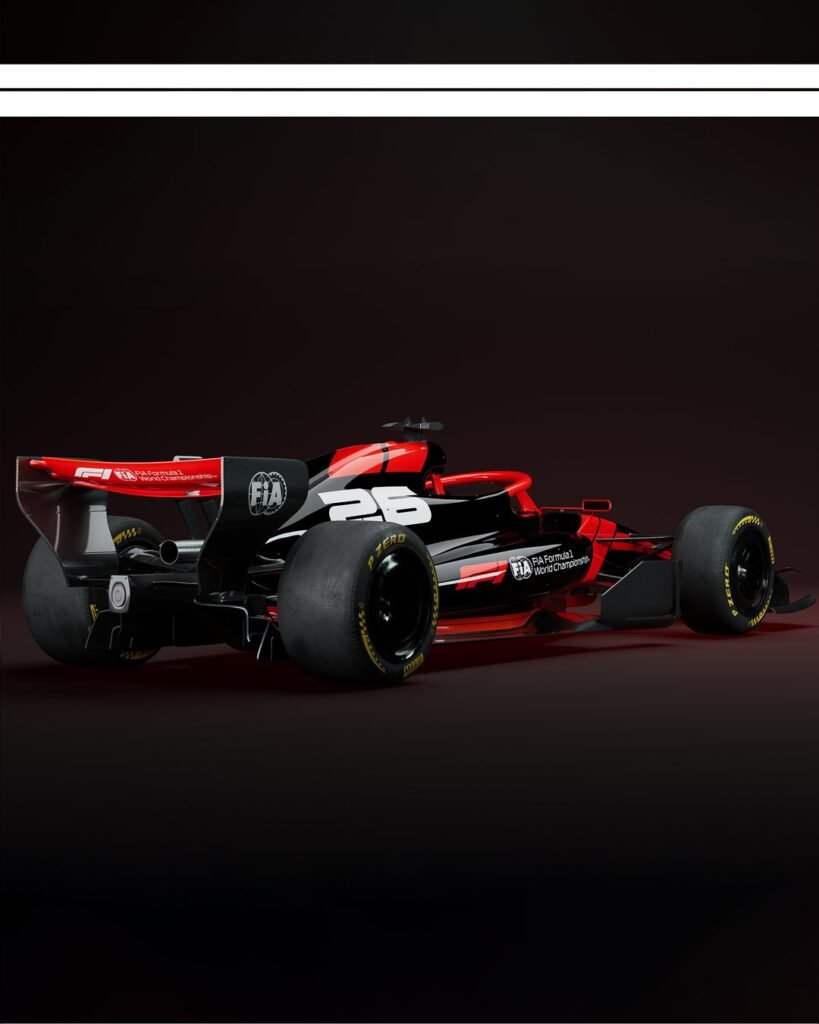
At the opposite end is Z-mode, the high-downforce configuration. Here, the wings return to a more aggressive working range, increasing downforce to ensure stability under braking, turn-in and mid-corner grip. In practical terms, the car “sticks” to the asphalt when maximum grip is required.
Unlike the DRS, however, switching between modes is not conceived as a simple on/off system tied to overtaking. Active aerodynamics become part of the overall car management. The driver and the car’s systems must decide when to prioritize efficiency or downforce, with a direct impact on race pace, energy usage and strategy.
A key aspect also concerns wing size. Precisely because they are supported by an active system, the 2026 wings are expected to be overall larger and aerodynamically smoother in profile compared to recent years. The philosophy is clear: surfaces capable of generating downforce when needed, but that can be “lightened” on the straights. This without paying the price of excessive drag.
In other words, not smaller wings to go faster, but smarter wings, able to change their character throughout the lap. This is where active aerodynamics stop being a gimmick and become one of the central tools of F1’s future.







Post Comment