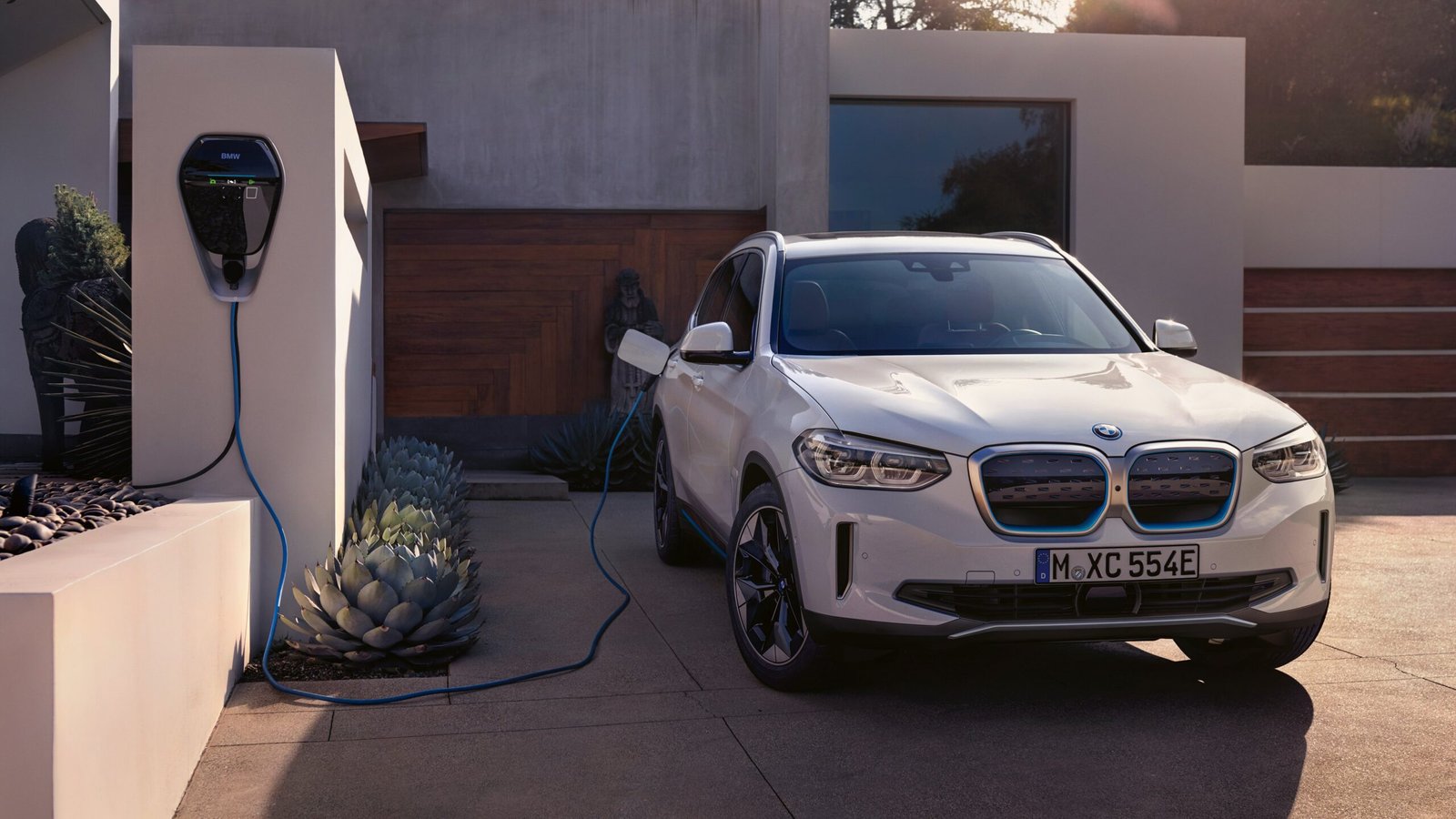
A new tax for electric cars owners?
A major blow seems to be coming from the UK for electric cars owners. The British government has decided that, starting in 2028, anyone driving an electric vehicle will have to pay a tax calculated per kilometer driven. Consequently, the more the car is used, the higher the amount to be paid.
The fee has been set at €0.048 per km. This, according to its creators, it is intended to offset the drop in fuel duties. If the UK has implemented this measure first, it is likely that many other countries will follow suit.
Currently, around one million electric cars are on the roads in the UK. A number expected to grow exponentially by 2028. This scenario worries the government: lower fuel consumption also means lower tax revenues.
They are essential for maintaining roads, service stations, and all transport-related infrastructure. The new tax is therefore intended to bridge this gap, allowing the recovery of about £1.8 billion over the following three years.
Each electric car owner will honestly declare the kilometers driven.
But how will this tax be collected? It will be based on an annual estimate declared by each driver. Each person will indicate in advance the kilometers they plan to drive in the upcoming year. No GPS system will be used to track movements: authorities will rely on the drivers’ declarations, and those who drive fewer kilometers than declared will receive a refund. For the average driver, the government’s estimated bill will be around £400.
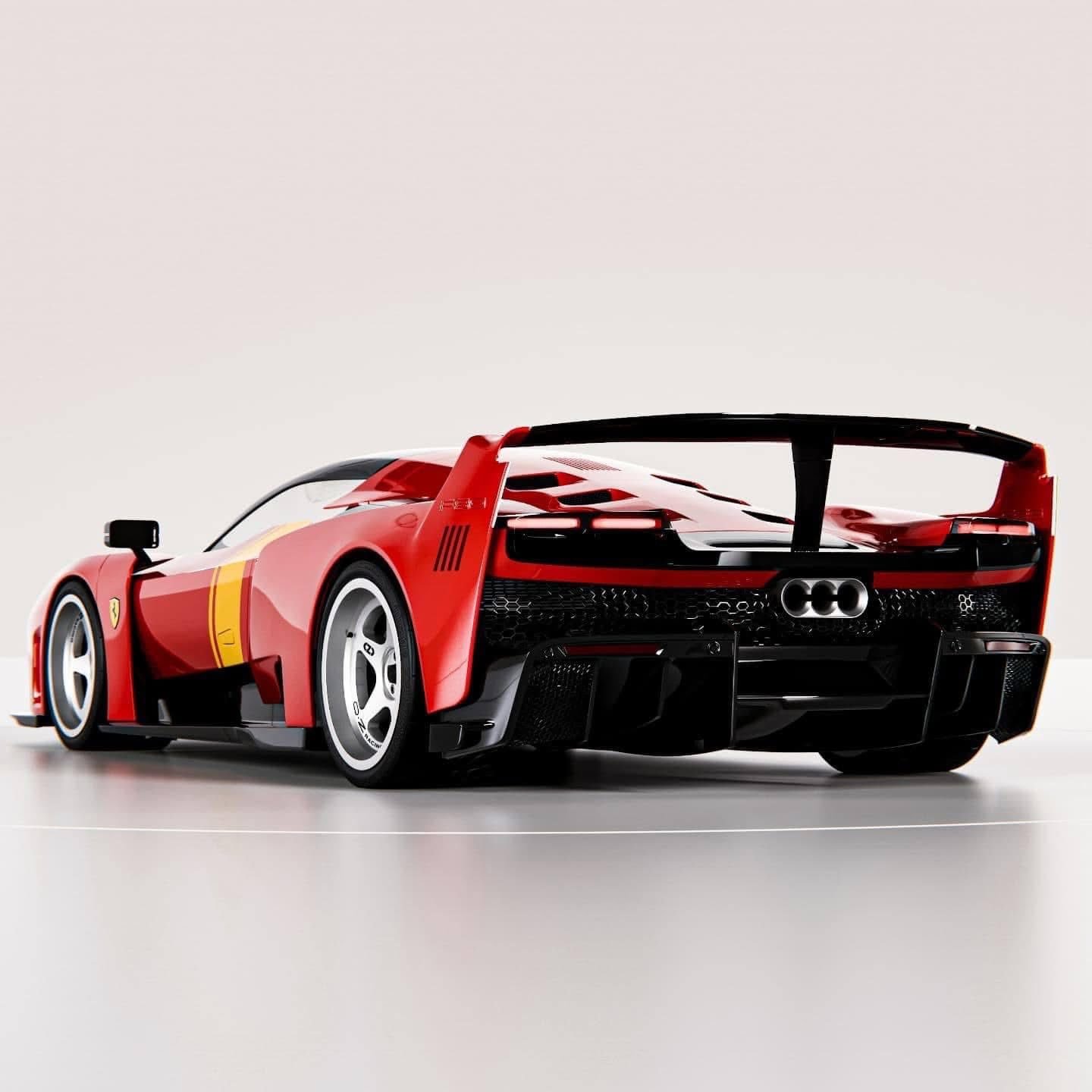
Recently, Ferrari also announced the release of its electric model, which was not very well received by the market: Ferrari electric: the technical data we know so far
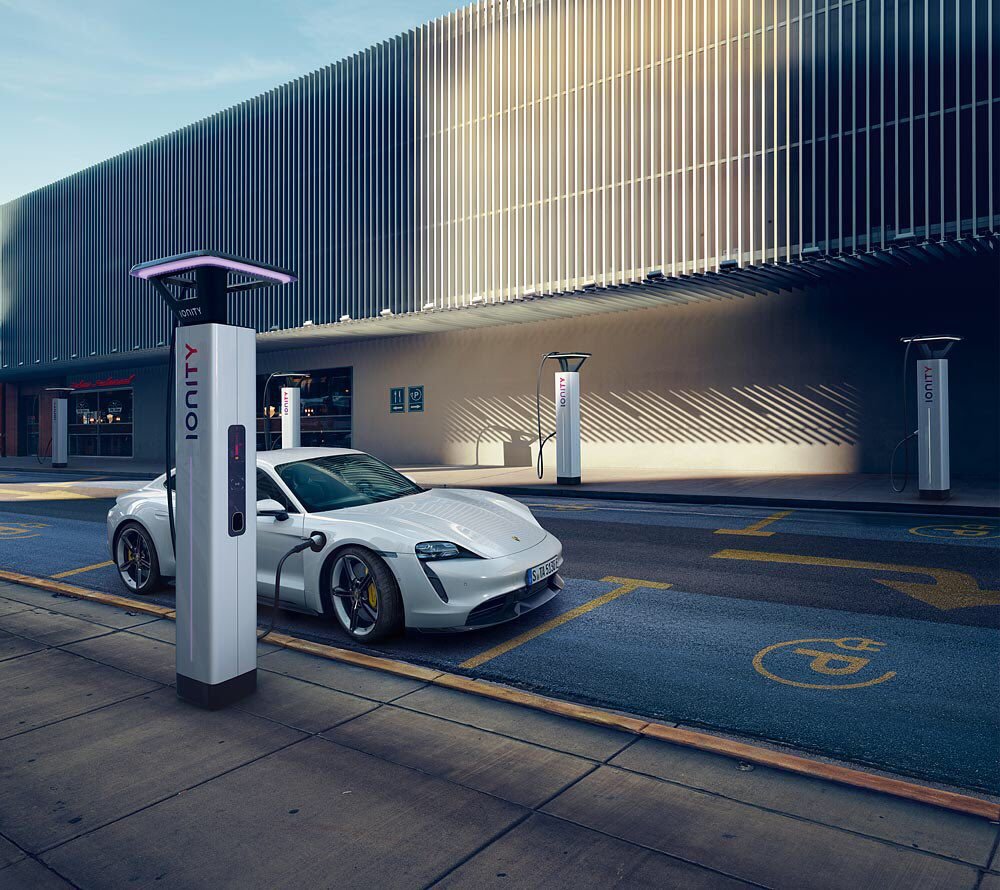
This measure may confuse those who have already purchased an electric car. Mostly not only attracted by zero-emission driving but also by promised incentives and lower taxes. Furthermore, the more electric cars circulate, the higher the demand for raw materials, inevitably driving up prices in this “green” sector.
The concern now extends to Europe: if more and more people drive electric, how will states collect the excise duties needed for infrastructure maintenance? In the EU, excise duties make up about 40% of the final fuel price, highlighting the huge potential economic loss that various countries could face.







Post Comment